Overview and car loan interest rates
The interest rate on a car loan determines how much you pay in addition to the vehicle's price. Even a fraction of a percentage point can translate into hundreds of dollars over the life of the loan. Lenders base your rate on several factors, and understanding them can help you get the best deal.
The two most significant factors affecting your monthly car payment are the interest rate and the loan term. A higher rate increases your monthly payment and the total interest you pay, while a longer term lowers your monthly payment but raises the overall cost.
Why do car loan interest rates vary? Lenders look at your credit score and credit history, the loan amount, your down payment, the loan term, whether the car is new or used, and broader market conditions. These factors help them assess the risk of lending to you, which in turn shapes the rate they offer.
Sources: Bankrate, Kelley Blue Book, Fifth Third Bank, Bank of America
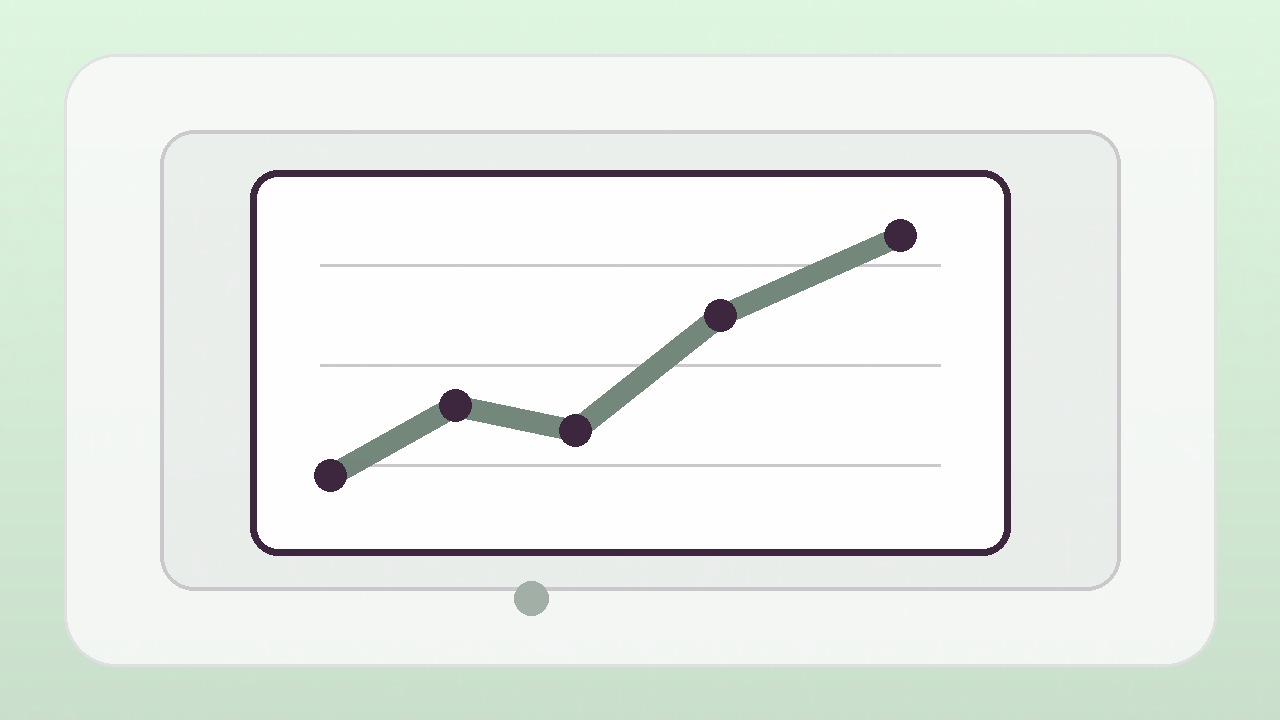
What Determines Your Car Loan Interest Rate
Auto lenders consider several factors when setting your interest rate, including your credit score, the loan amount, your down payment, and the loan term. Your credit score and credit history play a major role, as they indicate your likelihood of repaying the loan. A higher credit score can help you secure a better rate and a lower monthly payment.
The type of vehicle also matters: new cars generally come with lower rates than used cars, partly because they hold value more predictably. Lenders also account for market conditions, such as changes in the federal funds rate, which can influence the rates they offer.
- Credit score and credit history
- Loan amount and down payment
- Loan term
- New vs. used vehicle
- Lender type and market conditions
Sources: Fifth Third Bank, Bank of America, Bankrate
Credit Score and Its Impact on Rates
Your credit score is one of the most important factors in the rate you're offered. Borrowers with excellent credit typically receive the lowest rates, while those with lower scores face higher rates, reflecting the greater risk to the lender. The table below shows average rates for new and used car loans by credit tier, based on data from Experian (Q3 2025).
The differences are substantial. Super prime borrowers (781–850) might see an average APR of 4.88% on a new car, while deep subprime borrowers (300–500) might see an average of 15.85%. Over a 60-month loan, that difference can add thousands of dollars in interest.
Sources: Bankrate, Bank of America
Average Rates for New and Used Cars
The table below shows average annual percentage rates (APRs) for new and used car loans by credit tier, as reported by Experian in the third quarter of 2025. Note that these are averages and your actual rate may differ based on your unique financial profile.
Used car loans typically carry higher rates than new car loans, partly because used vehicles depreciate and may have shorter remaining lifespans, making them riskier for lenders.
| Credit Score Tier | New Car APR | Used Car APR |
|---|---|---|
| 781-850 (Super Prime) | 4.88% | 7.43% |
| 661-780 (Prime) | 6.51% | 9.65% |
| 601-660 (Non-Prime) | 9.77% | 14.11% |
| 501-600 (Subprime) | 13.34% | 19.00% |
| 300-500 (Deep Subprime) | 15.85% | 21.60% |
Sources: Bankrate
How Rate Changes Affect Monthly Payments
Even a small change in your interest rate can have a noticeable effect on your monthly payment and total interest. For instance, consider a $20,000 loan at 4.75% APR.
This example shows why it's important to look beyond the monthly payment. A longer term may seem affordable, but the extra interest can cost you thousands more in the long run. Some financial experts recommend keeping auto loan terms to five years or less to minimize interest costs and avoid owing more than the vehicle is worth.
Sources: Consumer Financial Protection Bureau
Comparing APR and Interest Rate
The annual percentage rate (APR) is a broader measure of the cost of borrowing than the nominal interest rate. APR includes the interest rate plus any lender fees or other charges, expressed as a yearly rate. When comparing loan offers, focus on the APR because it reflects the true cost of the loan, not just the interest rate.
For example, a loan with a lower interest rate but high fees might have a higher APR than a loan with a slightly higher rate and no fees. Always compare APRs to ensure you're getting the best deal.
Sources: Consumer Financial Protection Bureau
Loan term
The loan term is the length of time you have to repay the loan. A longer term typically comes with a higher interest rate, as lenders take on more risk over a longer period. However, the primary impact of a longer term is on the total cost: even if the rate stays the same, you'll pay more interest because the principal is outstanding longer.
This illustrates the trade-off between lower monthly payments and higher total cost. Longer terms also make it more likely that you'll owe more than the vehicle is worth, as the car depreciates faster than you pay down the loan.
Sources: Consumer Financial Protection Bureau
New vs. Used Vehicles and Age of Car
Whether you buy a new or used car has a direct impact on your interest rate. On average, new car loans carry lower APRs than used car loans across all credit tiers. For example, a borrower with excellent credit can expect an average APR of 4.88% on a new car, compared to 7.43% on a used car.
The age of the vehicle also matters: lenders may charge higher rates for older used cars, as they are more likely to require costly repairs and have lower resale value.
Sources: Bankrate
Down Payment and Loan-to-Value Ratio
Your down payment affects the loan-to-value ratio—the amount you borrow relative to the vehicle's value. A larger down payment means you borrow less overall, which reduces the total cost of the loan and may qualify you for a lower interest rate, as the lender's risk decreases.
The evidence states that a larger down payment lowers the total cost of a car loan. While the exact effect on the interest rate is not quantified, it's clear that borrowing less reduces the amount of interest you'll pay over time.
Sources: Consumer Financial Protection Bureau
Lender Type and Market Conditions
Different types of lenders—such as banks, credit unions, and online lenders—may offer different rates. Dealerships also arrange financing, but their rates may be higher than what you can get from a bank or credit union.
Market conditions, including changes in the federal funds rate, can influence auto loan rates. When the Federal Reserve raises interest rates, auto loan rates tend to rise as well.
Sources: Fifth Third Bank, Bank of America
How to Compare Offers and Negotiate
To secure a favorable rate, you should shop around and compare loan offers from different lenders. When comparing offers, look at the APR rather than just the monthly payment, as the APR includes fees and gives you the true cost. Also consider the loan term, as a longer term might offer a lower payment but cost more in interest.
You can negotiate the interest rate on a car loan, especially if you have pre-approval from another lender. Dealerships may be willing to match or beat a competing offer to earn your business.
Sources: Consumer Financial Protection Bureau, Bankrate
Common Rate Misconceptions
There are several misconceptions about car loan interest rates. One is that a low monthly payment always means a good deal—but as shown earlier, a longer term can result in higher total interest. Another is that the advertised rate is the rate you'll get, when in fact your rate depends on your credit score and other factors.
Also, some borrowers believe that dealerships never mark up rates, but they sometimes add a markup as compensation for arranging the loan. The evidence does not quantify this, but it's wise to compare the dealer's offer with rates from banks or credit unions.
Sources: Bankrate, Bank of America
What Are Principal and Interest in a Car Loan?
In a car loan, the principal is the amount you borrow to pay for the vehicle, and the interest is the cost of borrowing that money. Your monthly payment goes toward both, but how the payment is split between principal and interest changes over time.
Early in the loan, a larger portion of your payment goes toward interest because the outstanding principal is higher. As you make payments, the principal decreases, so more of your payment goes toward the principal. This process is called amortization.
Sources: Kelley Blue Book
How Monthly Payments Are Split: The Amortization Process
Amortization is the process of spreading out a loan into a series of fixed payments over time. Each payment covers both interest and principal, but the ratio shifts as the loan matures. The lender calculates your monthly payment based on the loan amount, the interest rate, and the loan term.
The exact breakdown depends on the interest rate and term.
Sources: Consumer Financial Protection Bureau
Step-by-Step Example: Principal and Interest Breakdown
As the balance decreases, the interest portion shrinks, and more of your payment goes toward the principal. The table below shows the allocation at selected months.
Sources: Consumer Financial Protection Bureau
Table: Allocation for a $30,000 Loan at 6% APR (60 Months)
The following table illustrates how much of each monthly payment goes toward interest versus principal at different points in the loan term.
| Month | Payment | Interest Portion | Principal Portion | Balance After Payment |
|---|---|---|---|---|
| 1 | $580 | $150.00 | $430.00 | $29,570.00 |
| 12 | $580 | $120.71 | $459.29 | $24,304.62 |
| 24 | $580 | $90.55 | $489.45 | $18,279.32 |
| 36 | $580 | $57.92 | $522.08 | $11,642.44 |
| 48 | $580 | $23.59 | $556.41 | $4,620.63 |
| 60 | $580 | $2.90 | $577.10 | $0.00 |
Sources: Consumer Financial Protection Bureau
When and How the Split Shifts Over the Loan Term
As the table shows, the interest portion of your payment decreases each month, while the principal portion increases. This shift is gradual but steady.
This matters because it means that if you pay off the loan early, you'll pay less total interest, as you're reducing the time the principal is outstanding. Conversely, making only the minimum payments means you'll pay the full interest over the entire term.
Sources: Consumer Financial Protection Bureau
Extra Payments on Principal and Interest
Making extra payments toward your car loan can reduce the total interest you pay. When you make an extra payment, it goes directly to the principal unless you specify otherwise. This reduces your outstanding balance, which in turn reduces the interest charged on future payments.
The exact savings depend on how much extra you pay and when. Similarly, making extra principal payments shortens the effective term and lowers total interest.
Sources: Consumer Financial Protection Bureau
How to Use This Knowledge to Reduce Total Interest
Understanding how interest works can help you make decisions that lower the total cost of your car loan. Start by comparing APRs from multiple lenders, not just the monthly payment. Choose the shortest loan term you can afford, as longer terms increase total interest dramatically.
Make a larger down payment if possible, as it reduces the amount you borrow. If your budget allows, make extra principal payments during the loan. Finally, maintain a good credit score, as even a 100-point difference can mean a significantly higher rate.
Sources: Consumer Financial Protection Bureau, Bankrate
Frequently asked questions
What is a good interest rate for a car loan?
A good interest rate depends on your credit score and market conditions. As of the third quarter of 2025, borrowers with excellent credit (781-850) could expect average APRs of 4.88% for new cars and 7.43% for used cars. If you have prime credit (661-780), averages were 6.51% for new and 9.65% for used. Rates are generally lower for new cars than used cars.
Sources: BankrateHow can I lower my car loan interest rate?
You can lower your rate by improving your credit score before applying, making a larger down payment, choosing a shorter loan term, and shopping around to compare offers from different lenders. A larger down payment lowers the total cost of the loan, and a higher credit score helps you secure a better rate. Consider getting pre-approved from a bank or credit union and negotiating with the dealer.
Sources: Consumer Financial Protection Bureau, Bankrate, Bank of AmericaDo I need excellent credit to get a low rate?
No, you don't need excellent credit, but it helps. Borrowers with excellent credit (781-850) get the lowest average rates, but even those with prime credit (661-780) can still get reasonable rates. The difference between credit tiers is significant, so improving your credit score even by a little can lead to a lower rate.
Sources: BankrateWhy is my car loan rate higher than advertised?
Advertised rates are often the lowest available, typically reserved for borrowers with excellent credit and favorable loan terms. Your actual rate depends on your credit score, the vehicle's age, loan term, and down payment. Lenders may also add fees, which increase the APR. That's why it's important to compare APRs, not just the interest rate.
Sources: BankrateIs a longer loan term always more expensive in interest?
Yes, a longer loan term generally results in more total interest paid, even if the APR is the same. The monthly payment is lower with a longer term, but the overall cost is higher.
Sources: Consumer Financial Protection BureauHow much does a 100-point credit score difference affect my car loan rate?
The impact varies, but average rates differ significantly between credit tiers. The gap can be larger for lower tiers.
Sources: BankrateCan I negotiate the interest rate on a car loan?
Yes, you can negotiate the interest rate on a car loan. To strengthen your position, get pre-approved from a bank or credit union and use that offer as leverage. Dealerships may be willing to match or beat a competing offer to earn your business.
Sources: Consumer Financial Protection BureauDo dealerships mark up interest rates?
Dealerships can mark up the interest rate on a loan as compensation for arranging financing. They receive a buy rate from the lender and may offer you a higher rate. You can avoid this by negotiating and having a pre-approved offer from another lender. The research does not quantify how much dealerships mark up rates, but it's wise to compare the dealer's offer with other sources.
Sources: BankrateSources
- cfpb auto loan shopping sheet — Consumer Financial Protection Bureau
- How do I compare auto loan offers? — Consumer Financial Protection Bureau
- New vs. Used Vehicle Calculator — Fifth Third Bank
- Auto Loan Calculator | Bankrate — Bankrate
- Auto Loan Calculator - A Car Payment ... — Kelley Blue Book
- Auto Loan Calculator & Car Payment Tool at Bank of America — Bank of America